Wrestling theory · iconography · positive evil
The Bar-Bear-It-All: An Iconography of Remorse
Physique as sign, pain as immediately legible pageant, defilement as stain, and Barb as the body Ron’s hollow audit cannot simulate.
Barthes notes in The World of Wrestling that the wrestler is not a person but a "character in a passion play." Barb, as the "Absolute Monster Heel," is the physical manifestation of the Apeiron’s hunger.
Roland Barthes: wrestling as spectacle of excess
Paul Ricoeur: defilement, guilt and the servile will
Physique as sign / war paint / peak vasculature
The Moon Shot as Fear Closure
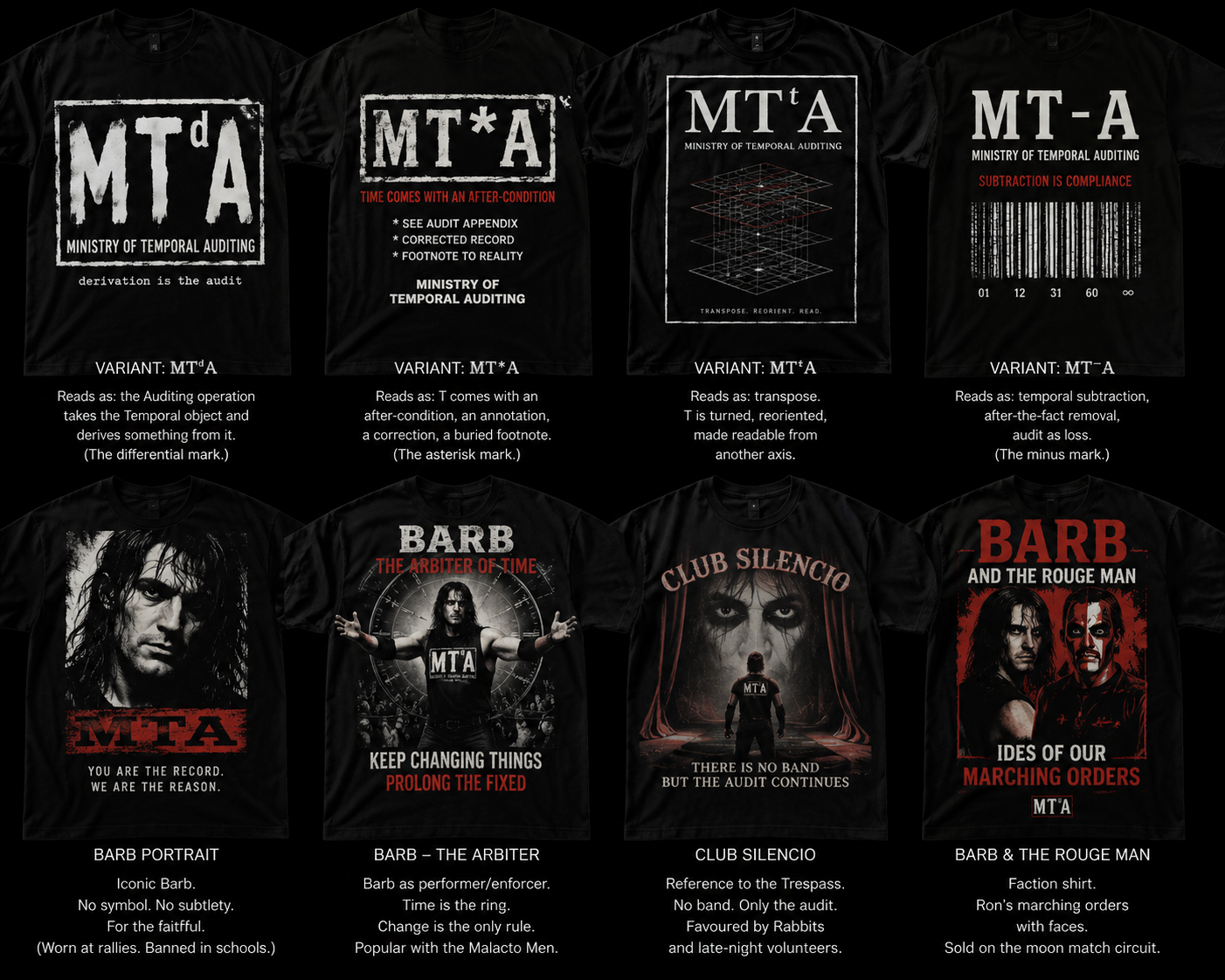
7 recovered plates
Selected from the SES must-use and image repositories. Copy states and detail crops remain visible where repetition is part of the record.
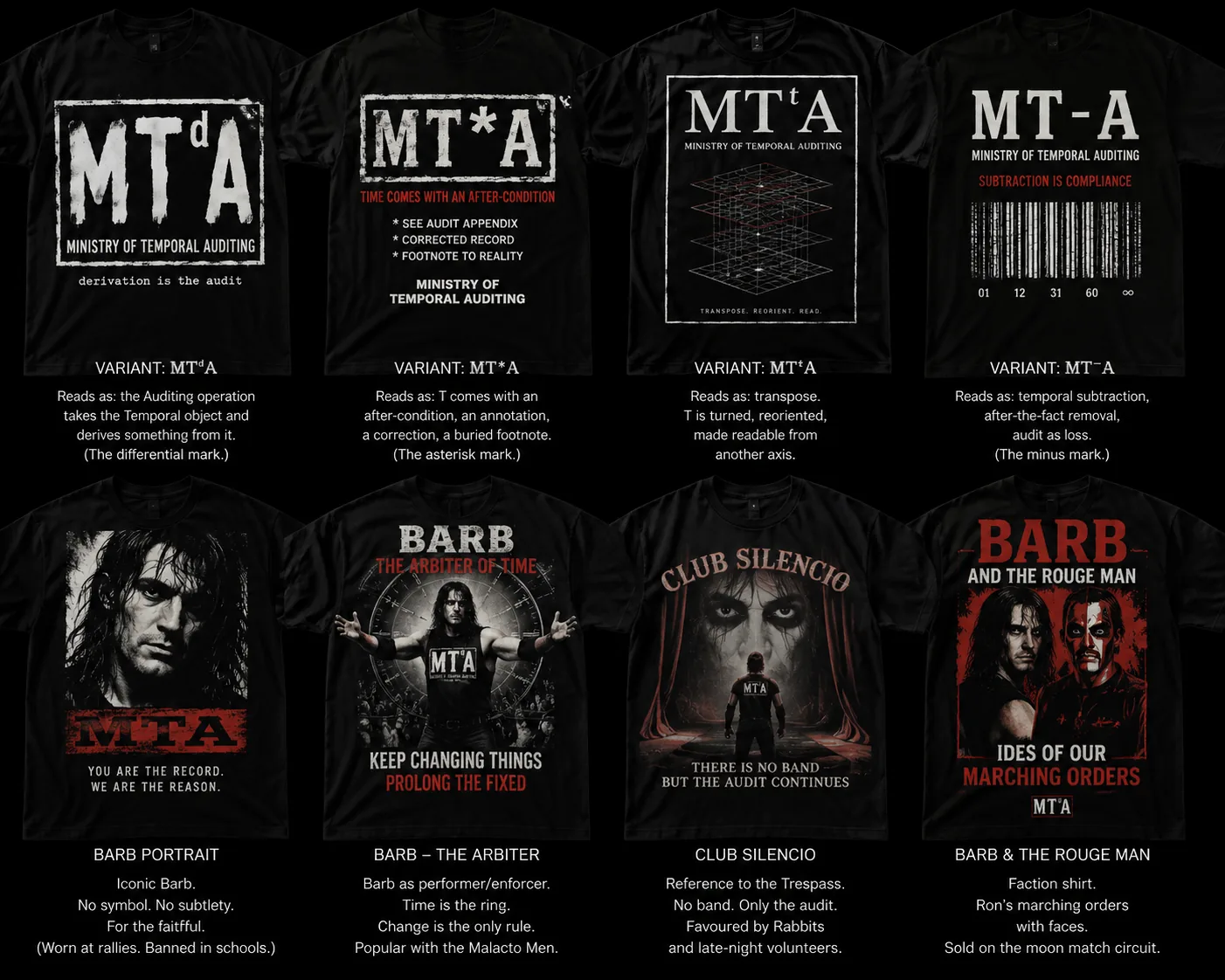
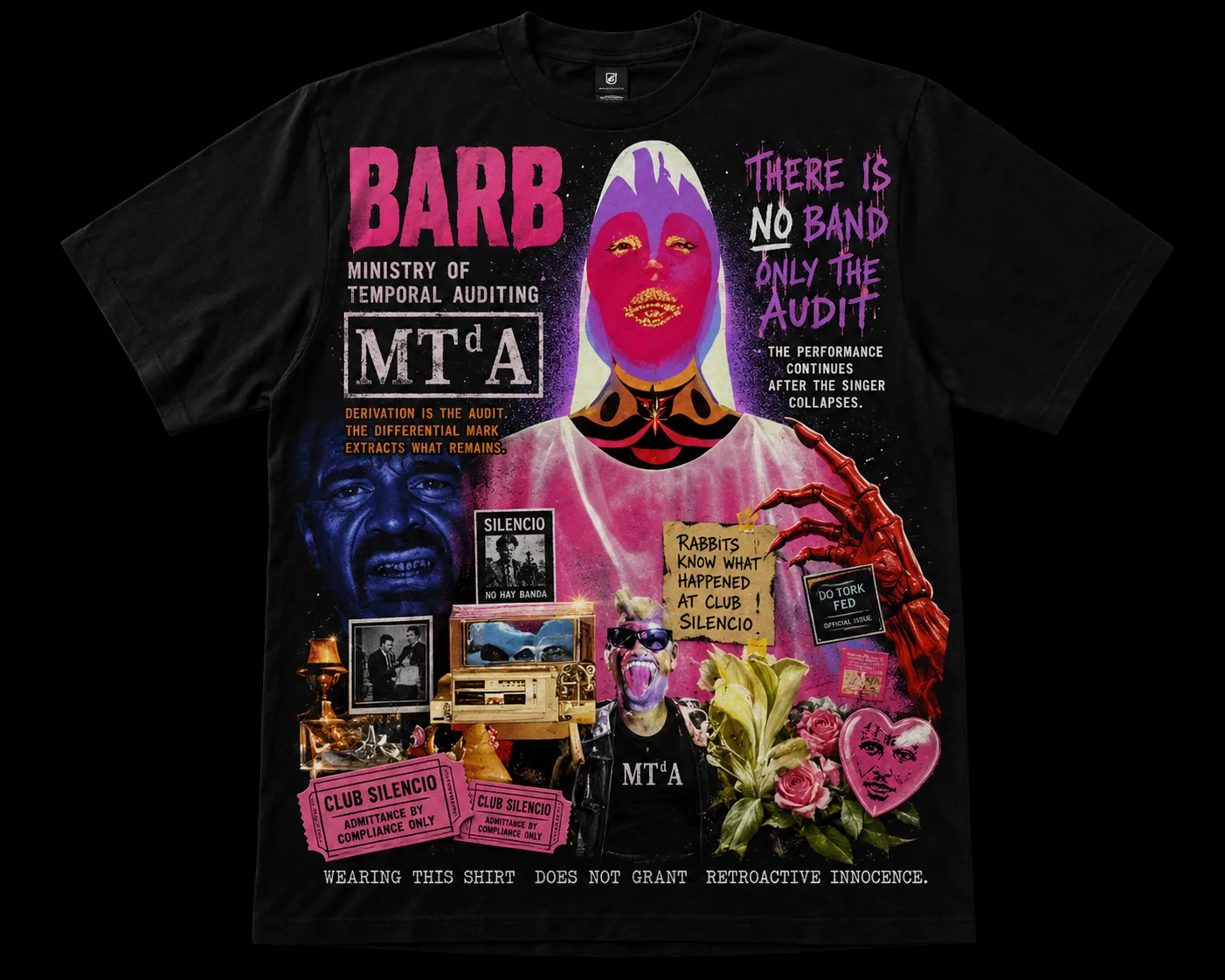
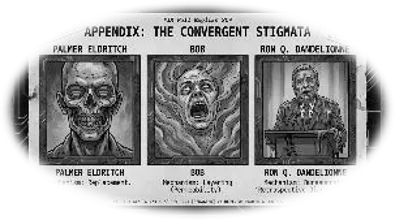
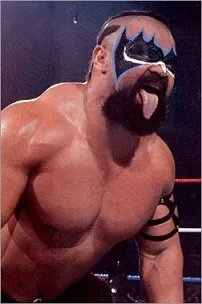
Physique as a basic sign
The historical Barbarian enters the analysis already legible. Long hair, paint, forearms, size and surprising agility announce role before a move is performed. The body is not evidence supporting the character; it is the character’s first complete sentence.
That legibility lets the DoTarK record reverse the old booking. The mid-card sacrifice who made champions look real becomes the only figure too real to defeat. Barb’s physical credibility is detached from the old outcome and promoted into a governing sign.
The Pageant of Pain
Barthesian wrestling makes suffering exaggeratedly visible so the crowd never has to ask what a gesture means. Ron weaponizes that clarity. Barb’s rampages turn political doctrine into pageant: the population sees powerlessness represented at a scale too large to misread.
The violence is semantic overproduction. Instead of one explanation there is an avalanche of images—flaying, stain, mask, moon, missing arm, failed comeback—until interpretation itself becomes submission.
Defilement made positive
Ricoeur’s stain gives evil a language that spreads through contact. The Saussario blood, the tragic mask and the Rabbits’ participation make violence more than a lack of good. It becomes a positively posted substance that tarnishes freedom while leaving everyone recognizably human.
Barb joins absolute victim to absolute torturer. The wrestler once sacrificed by the dominant narrative validates a new order by inflicting on its old hero the same structure of use, stripped of the comeback that once made use feel redemptive.
Ron’s hollow core
Ron can audit every journal, desire and browser trace yet cannot see the void at the centre of the Holoscope. Barb is the Other cathected to fill that absence: corporeal force where the simulated auditor has only procedure. The partnership separates appetite from execution and lets violence masquerade as administrative necessity.
The Rouge Man performs a parallel operation in miniature. His red mist, swerves and invoices keep motive mobile while Barb keeps consequence fixed.
Fear Closure
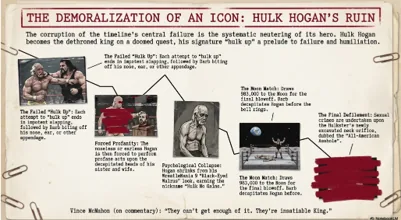
The system regards optimism as temporal inflation, a second lung filled with a future that may not arrive. Hulk No Gains is the demonstration case: the comeback mechanism is sabotaged until heroic grammar can no longer complete itself.
On the Moon, Barb ends the match before the bell and transforms the largest possible promise into a static image of absolute loss. Fear Closure does not resolve the story. It abolishes the audience’s belief that resolution remains structurally available.