Primary subject · monster heel · ontological substrate
Barb: The Heel of the Real
The old wrestling record supplies Sione Vailahi. The DoTarK record turns him into the blunt instrument that keeps a broken reality from pretending it can still make a comeback.
Time could see where it was being booked on the progressive card and went off to learn a new hold.
Sione Havea Vailahi, The Barbarian
Primary disciplinary agent of the SES
Metronome of Collapse; Heel of the Real; Belial Ringer of the Absent Sustain
The Rouge Man, Mothman, My Dross to Bear
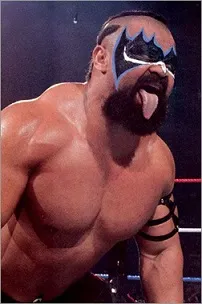
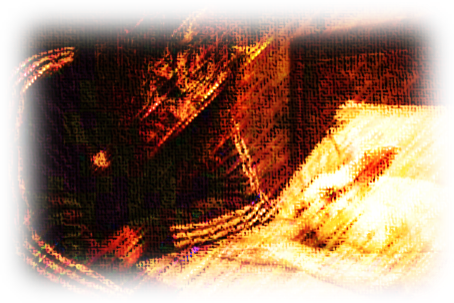
11 recovered plates
Selected from the SES must-use and image repositories. Copy states and detail crops remain visible where repetition is part of the record.
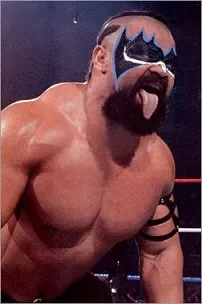
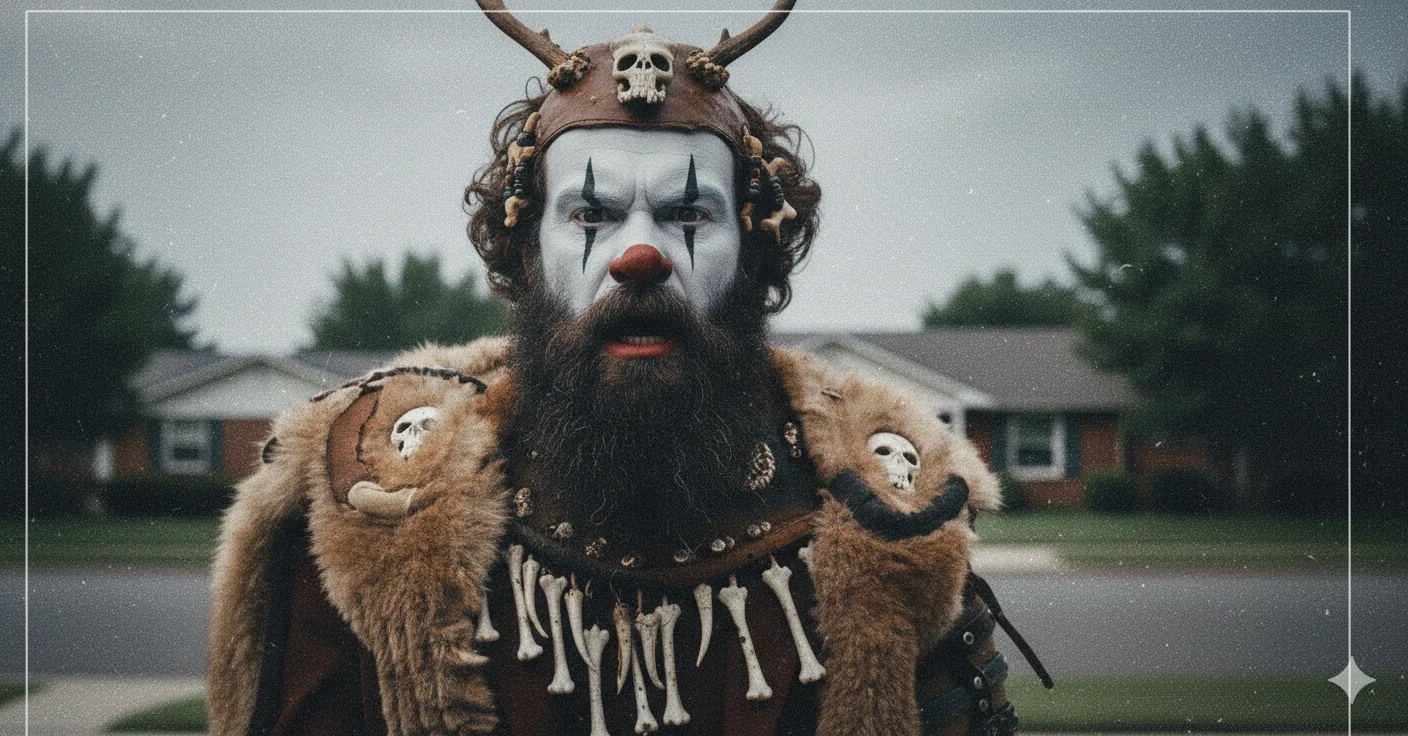
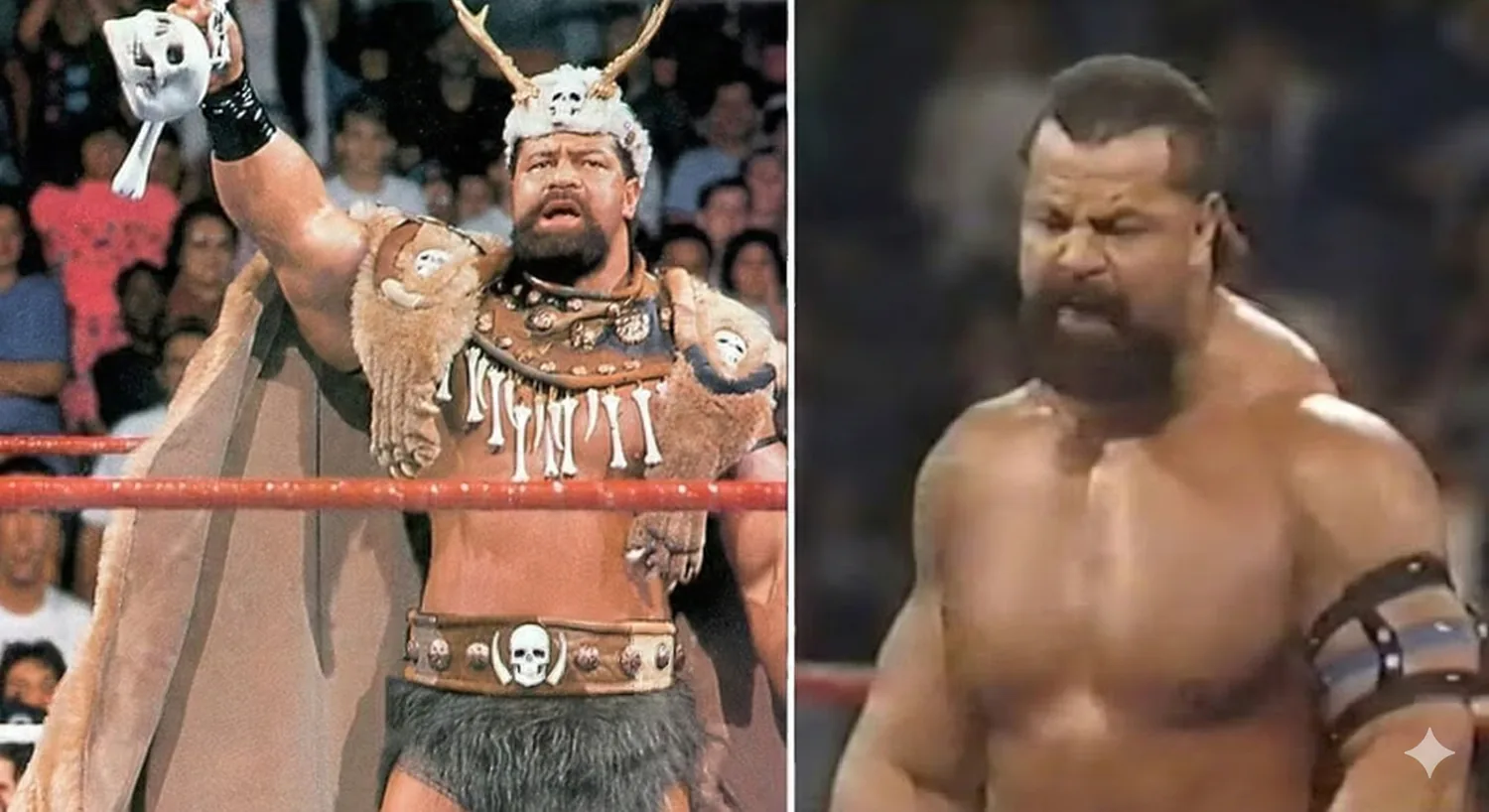
The historical body
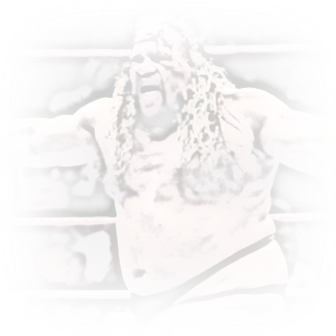
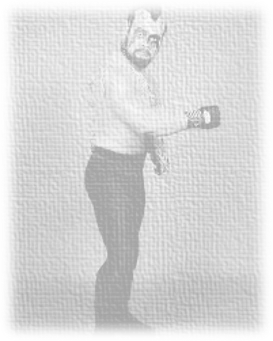
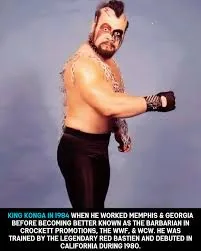
The civil record begins with Sione Havea Vailahi, the Tongan wrestler best remembered as The Barbarian and as one half of the Powers of Pain with the Warlord. The supplied biographical notes describe a six-foot-two, roughly 295-to-310-pound power wrestler whose sheer mass was made stranger by speed: top-rope clotheslines, flying headbutts, a standing thrust kick and enough believable force to stand opposite Demolition or the Road Warriors.
Those notes also preserve strength lore in Barb’s own voice: he reportedly placed himself ahead of the Warlord on presses while conceding squats and barbell curls, with claimed best benches of 655 pounds in a bench shirt and 590 without. Whether read as locker-room number, fan testimony or literal statistic, the important archive fact is the same—the body arrived pre-certified as excessive.
The under-push becomes evidence
The Barbarian possessed the body, stiffness and aura of a true danger, yet the narrative machine repeatedly used that credibility to restore somebody else. His authenticity made him useful; the same authenticity made him impossible to centre. He was built up so the appointed hero could bring him down.
The biographical clipping calls him one of wrestling’s strongest and most under-pushed performers, and imagines Bobby Heenan barely able to control him during a solo run against Hulk Hogan. The DoTarK record seizes that unrealized booking as historical pressure. Legitimate threat converted into legitimized defeat becomes the substrate Ron needs: a surviving fact with enough grain to anchor a much larger distortion.
The kayfabe inversion
In DoTarKian wrestling, the old prohibition is inverted. Barb no longer lends reality to the champion; he confiscates the champion’s reality. The mid-card monster becomes the card itself. He can work a battle royal, an advertised match, a masked appearance that fools nobody, and one more catastrophe before the house lights come up.
The Kayfabe Inversion names Barb the Absolute Monster Heel: the stolen historical Barb restored as a champion precisely because accretion cannot disprove him. Every extra murder finish, mask and disputed memory layers onto the last. He is revision-proof in a system that cannot afford closure.
Physique as sign, violence as stain
The Barb texts braid two critical languages. From Roland Barthes comes wrestling as a spectacle of excess in which gesture must be immediately legible. From Paul Ricoeur comes defilement as a stain that spreads through contact. Barb joins them. His violence is both sign and infection: an act made unmistakable enough to govern the witnesses who survive it.
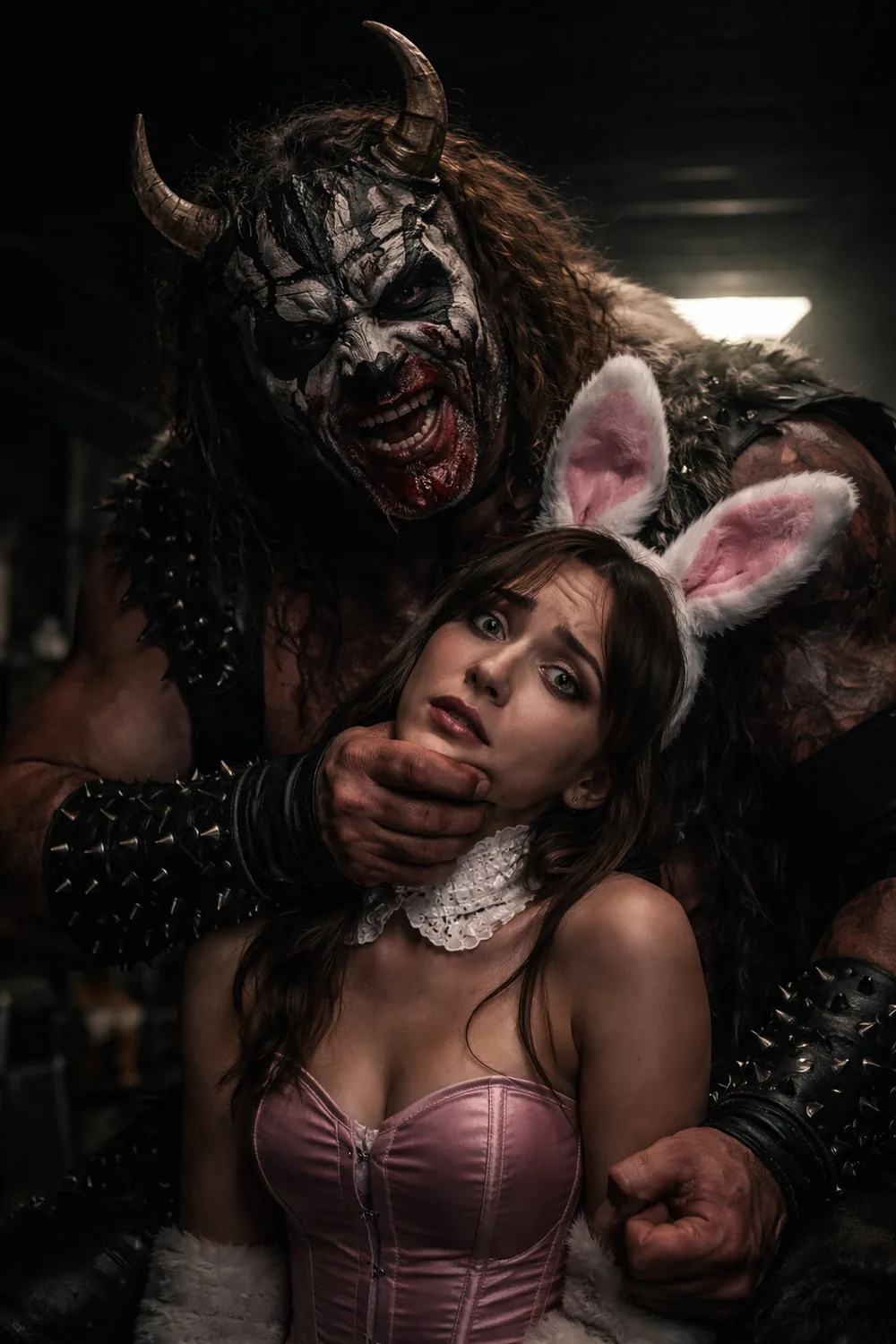
The regime calls the result a Pageant of Pain. The Saussario flayings, the dismantling of Hulk No Gains and the pre-bell Moon catastrophe turn suffering into an intelligible representation of powerlessness. Ron supplies the theory and disclaims the appetite; Barb makes abstract surveillance smell, sweat and touch the ring.
The Barb Joke and the causal knot
The SES manuscript gives Barb three simultaneous origins: the real-world Barbarian, the Barb Joke as originless memetic chaff, and the physical agent appointed under a Powers of Pain mandate. None can be securely identified as first. Did Ron borrow wrestling history to name an existing accomplice, or did he make an already-circulating joke real by finding the body that completed it?
That irresolution is the Primary Causal Knot. A ridiculous memory floods the ledger until the actual enforcer can move beneath it without scrutiny. Cultural reference, data corruption and state agent become the same name viewed at three different moments of a loop.
Silencione: the benign usher
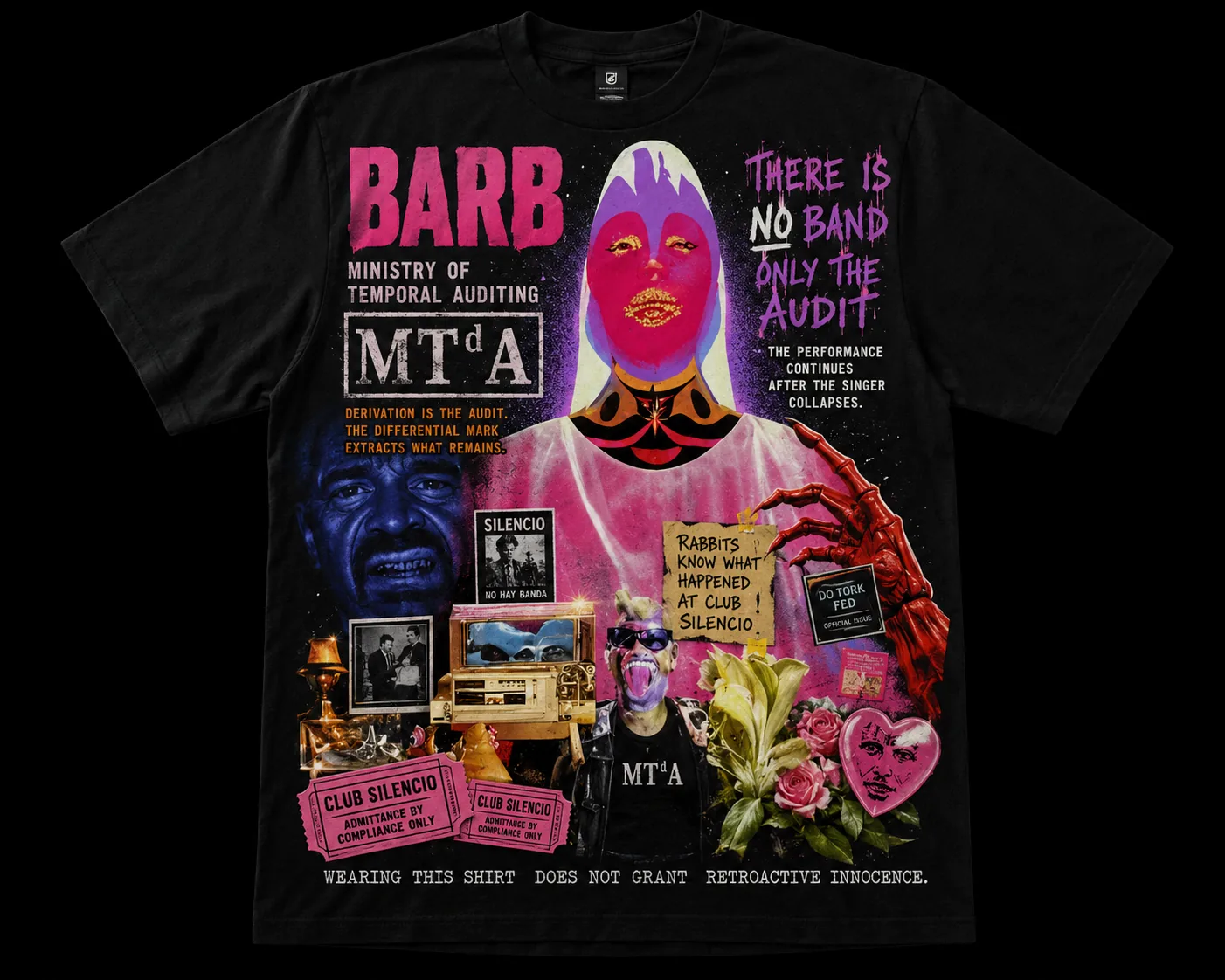
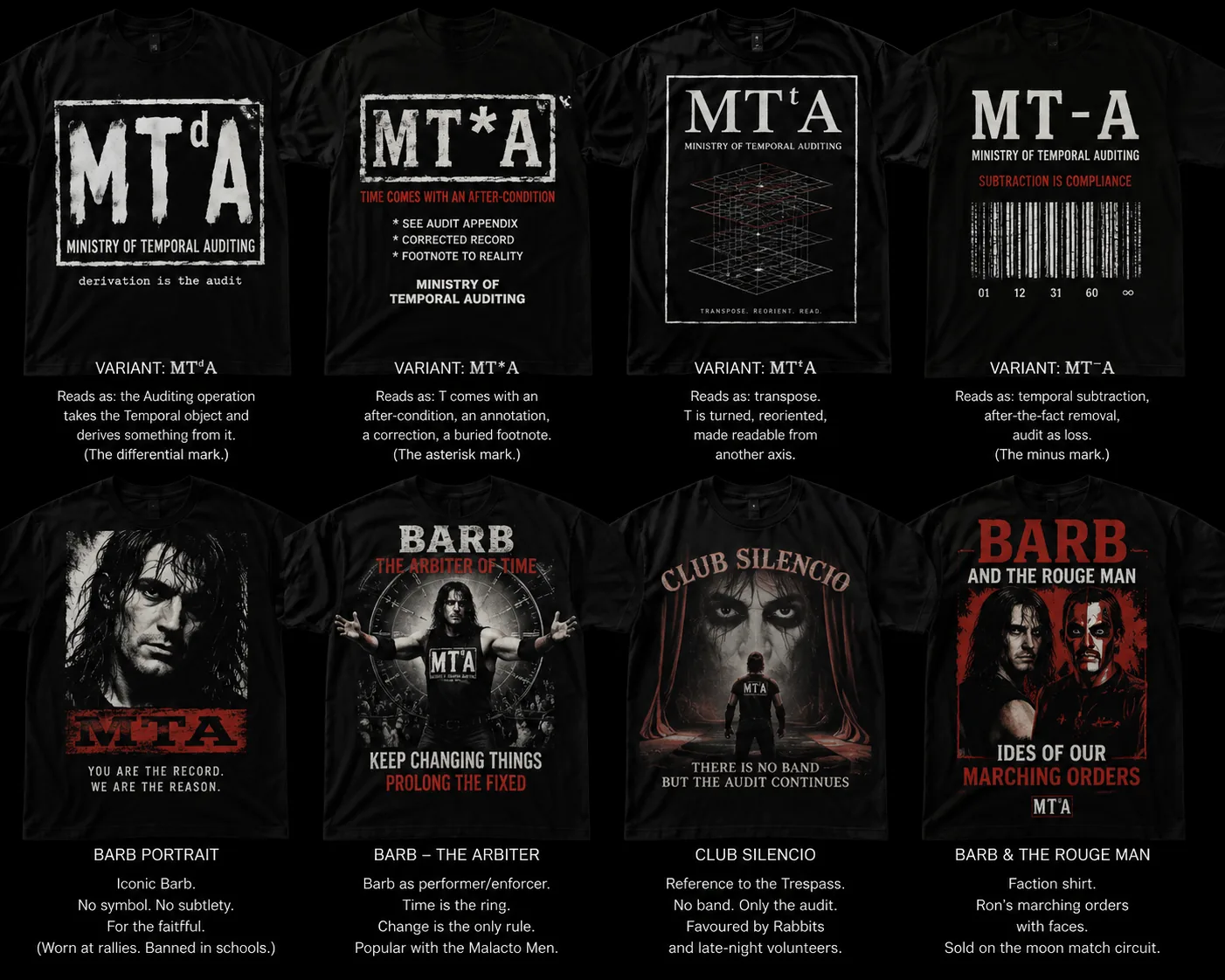
At Club Silencio, Barb first appears in a disarming role: usher, gymnastics coach, even coach of a co-ed volleyball squad. He lifts the rope, regulates seating and seems to belong to 1996. Later SES vocabulary retrosignifies every courteous gesture as proleptic seeding by a future enforcement system.
This is why the Rabbits remember him as an usher as often as an executioner. He teaches the crowd where to stand, when to look and how to internalize the gaze. Silencione fuses Club Silencio with Sione: the revelation that there is no band given a body strong enough to police the seating plan.
Metronome of collapse
Barb is less policeman than timekeeper. The fixed gait, collegial headlock and downward frown make collapse feel scheduled. Ron calls hope a Structural Hazard because anticipation opens a future the system cannot audit; Barb closes that future one sixty-second interval at a time.
The Rabbits internalize the rhythm as motionless alert. Their psychological gut stops processing experience. They remain attached to the media figure who causes the trespass, a parasocial trauma bond maintained by the promise that the next blow will at least settle the record.
The cerebral heavy and HD Horror
The January persona study refuses the easy reading of Barb as a mute brute. His best precedent is the cerebral heavy: Jake Roberts controlling a room by lowering his voice, Waylon Mercy making courtesy feel terminal. Barb inherits their economy of motion but removes the explanatory monologue. He is intelligent enough to understand the booking and quiet enough to let everybody else discover it too late.
The same study calls his visual mode HD Horror: not fog, not occult blur, but the clarity of individual gristle. The more completely the body can be seen—the paint, broken teeth, stain and sweat—the less securely the viewer can file it as entertainment. High definition becomes a breach in kayfabe rather than proof of realism.
Supernatural character: Sensitive Barb
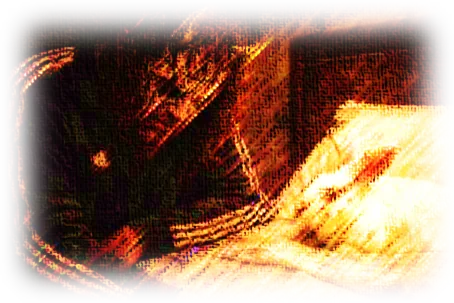
Sensitive Barb is the supernatural run in which monstrosity becomes oddly tender without becoming safe. The orange sleeping image, the sulking frown and the “one last longing, languorous look” make vulnerability another entrance mechanism. The private register does not redeem him; it makes the trespass harder to compartmentalize.
When the Rouge Man is absent, Vincent Gallo manages this incarnation and sings “When” in a thin, whining falsetto remembered by the Rabbits during their nightly ravagings. The ballad delays impact, extending the moment in which fear can be mistaken for longing. Mothman supplies the opposite register: proximity without song, warning without explanation.
Entrance inventory
The Rouge Man announces him as “Helling From Parts Unknowing,” with hands of sandstone and a debt already entered on the Belialence Sheet. The procession accrues animal mascots, damaged ledgers, black-budget arena lighting and the threat of a bill coming due. The entrance is an audit disguised as a wrestling introduction.
Bob Dylan’s contemplative original of “All Along the Watchtower”—pointedly not the Hendrix version built for arena triumph—is not accompaniment but denouncement and advance warning. It teaches the body to anticipate Barb before contact. Mothman stands at the threshold; My Dross to Bear supplies confused animal force; Barb walks slowly enough that the audience has time to understand there will be no save.