Manager · accountant · sedative entrepreneur
The Rouge Man
Part Andy Rooney distortion, part wrestling manager, part balance-sheet mystic: he translates Barb’s violence into introductions, invoices and a franchisable economy of sedation.
And what was the Viggorish? What had we borrowed? Why had we agreed to these larcenous interest rates? What had we used the loaned fit courancy to buy?
A collapsed Andy Rooney silhouette, eyebrows carrying administrative weather
Opium Denny’s
Manager and ceremonial auditor to Barb
Miss Layla / the forbidden Elle-redress
38 recovered plates
Selected from the SES must-use and image repositories. Copy states and detail crops remain visible where repetition is part of the record.
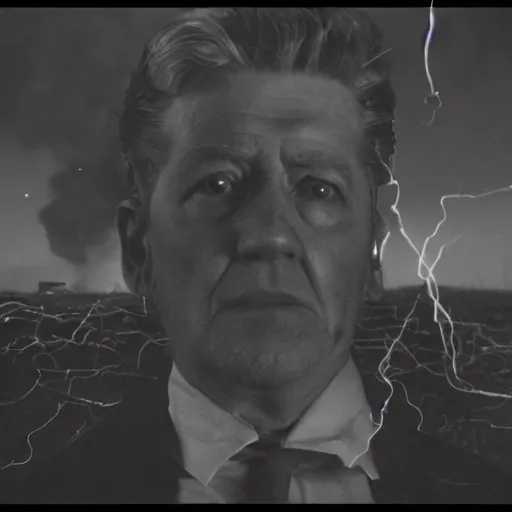
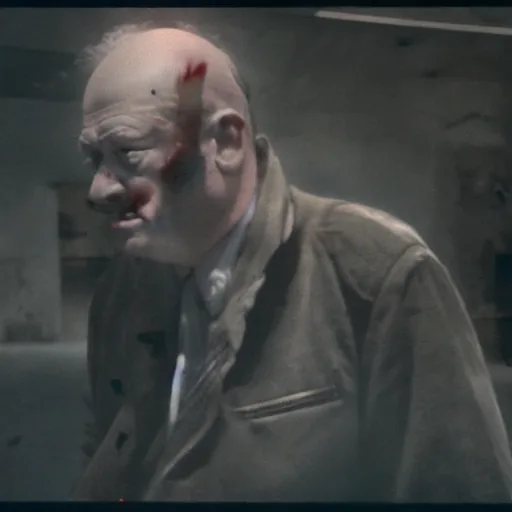
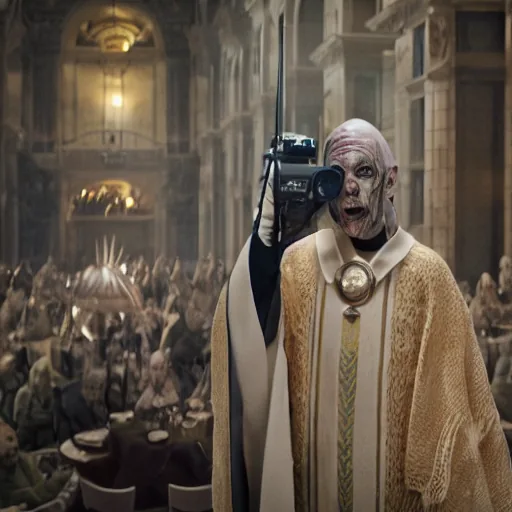

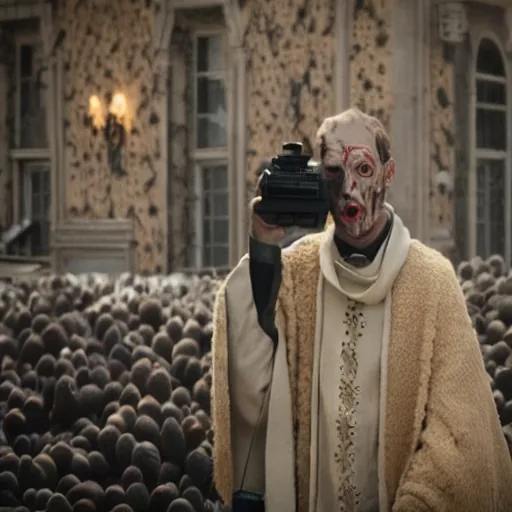


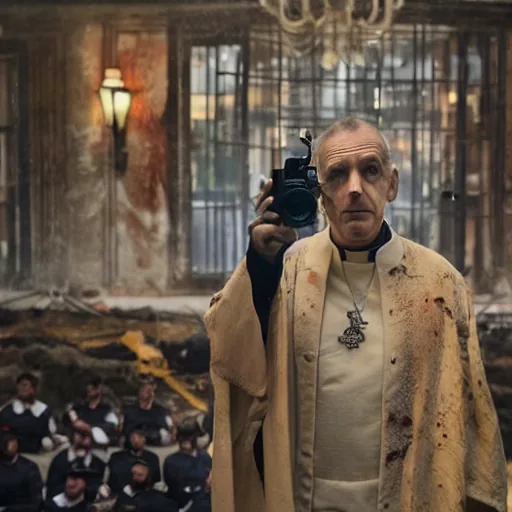

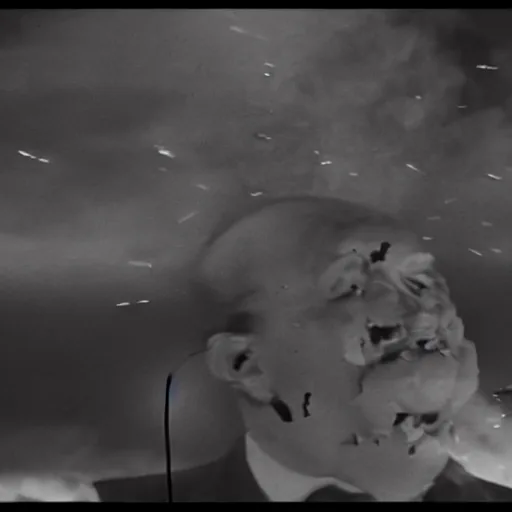

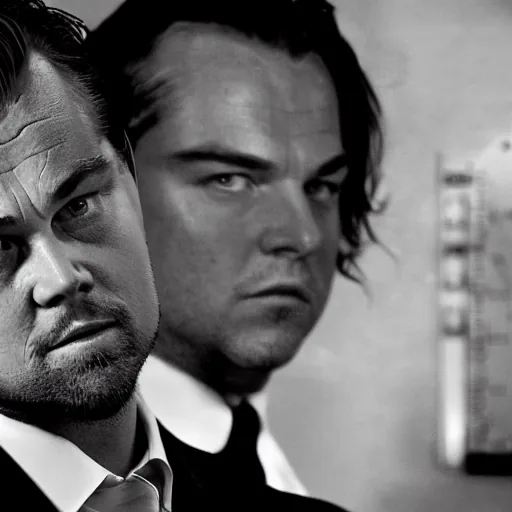
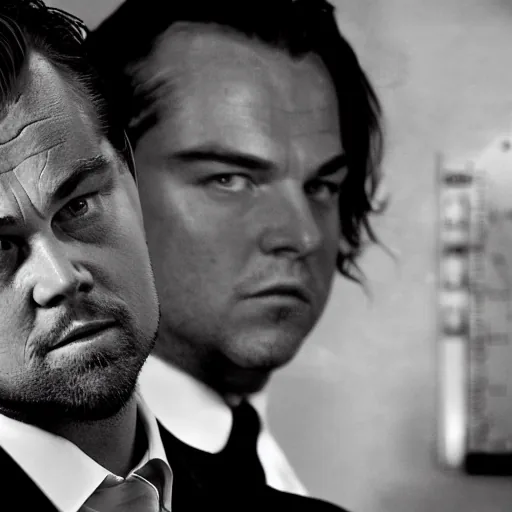
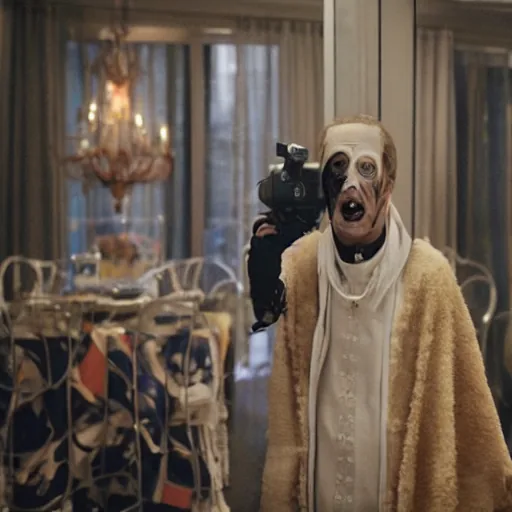
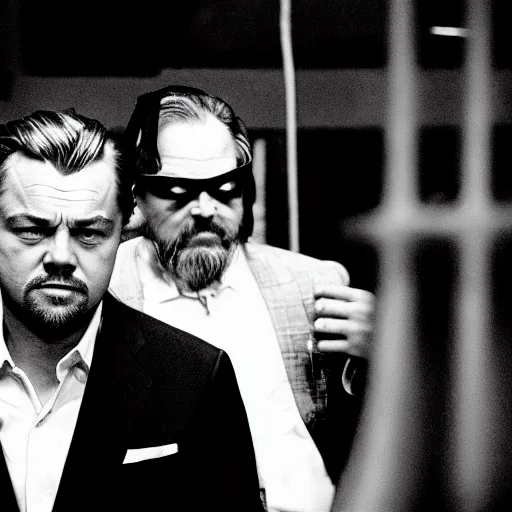
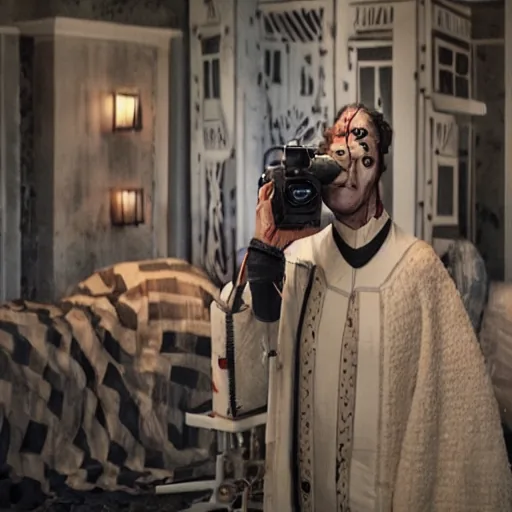
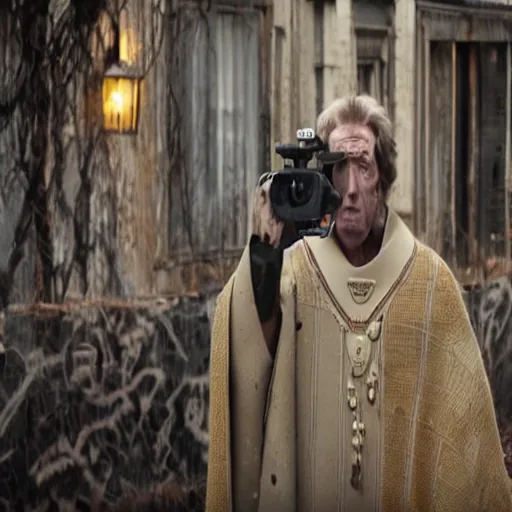
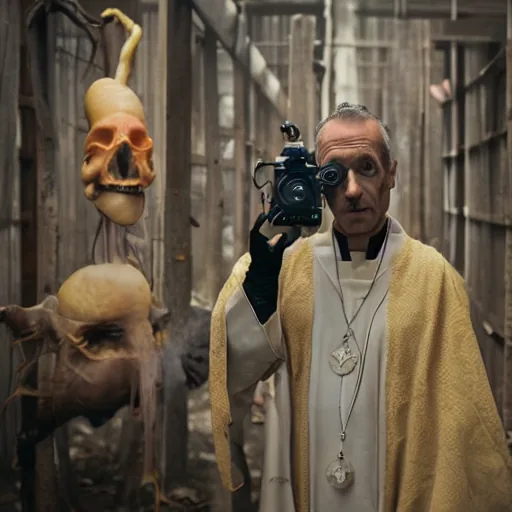
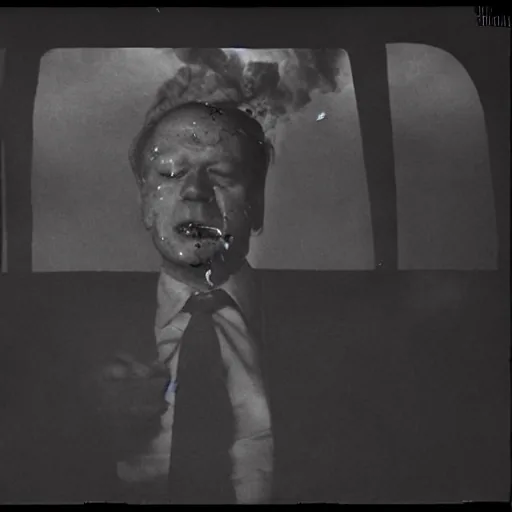
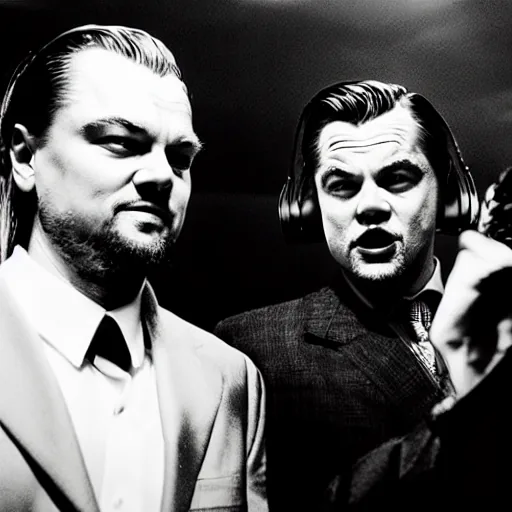
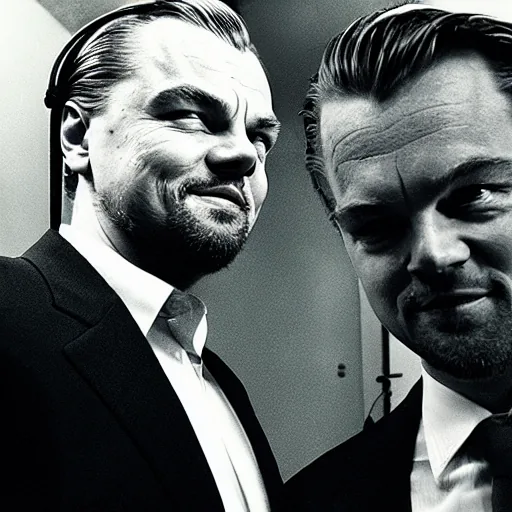
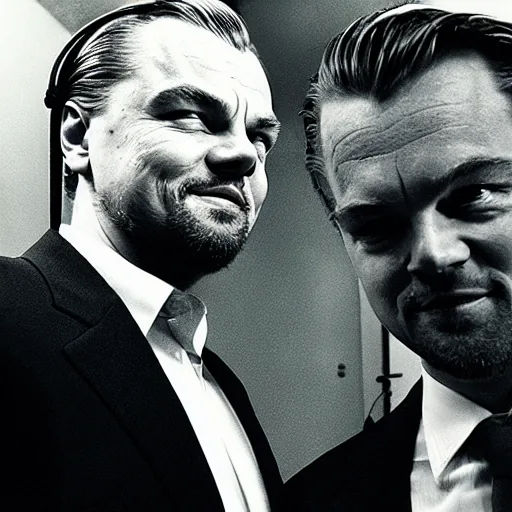
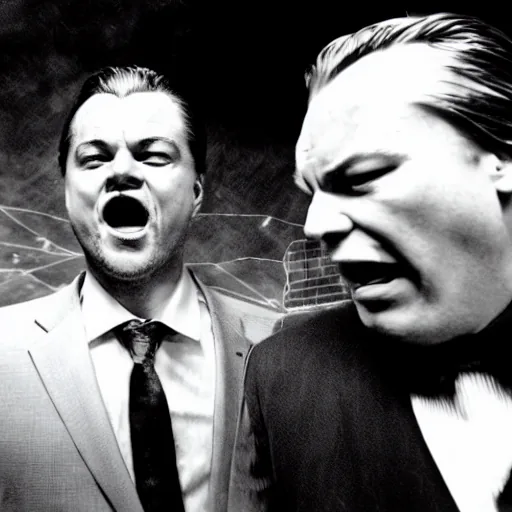
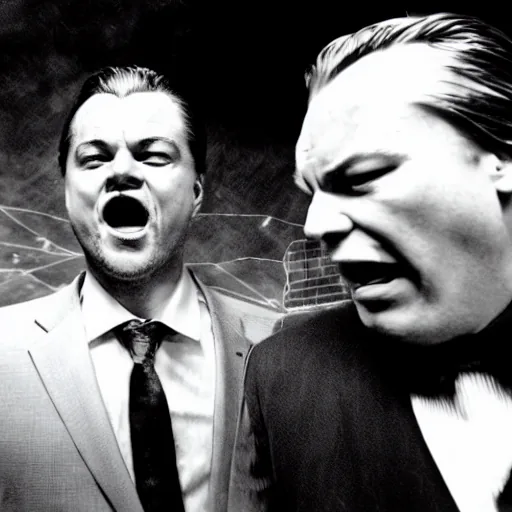
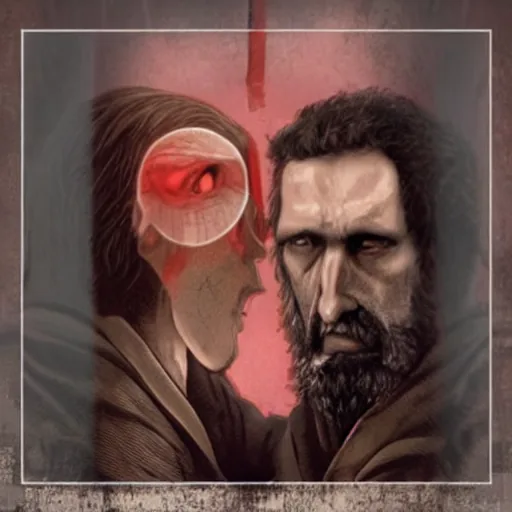
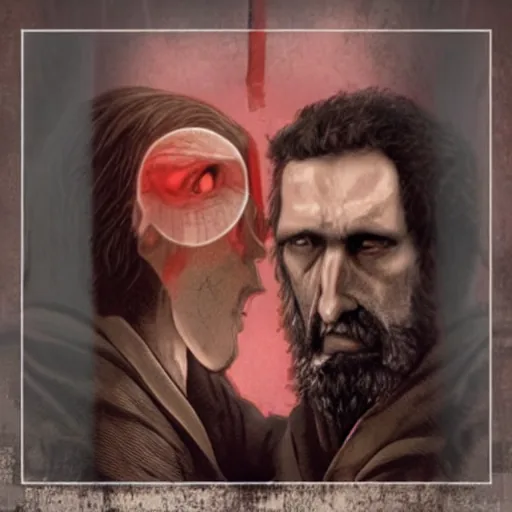
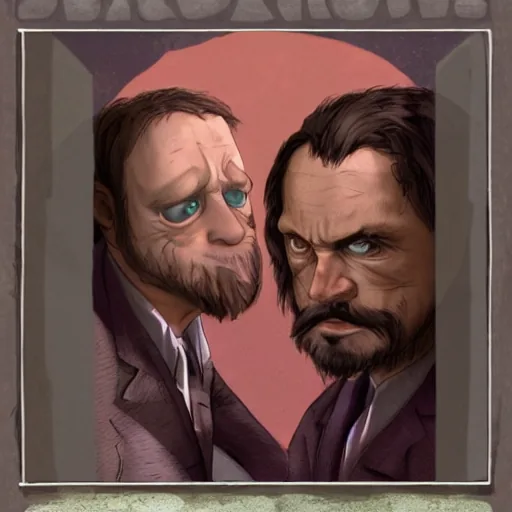
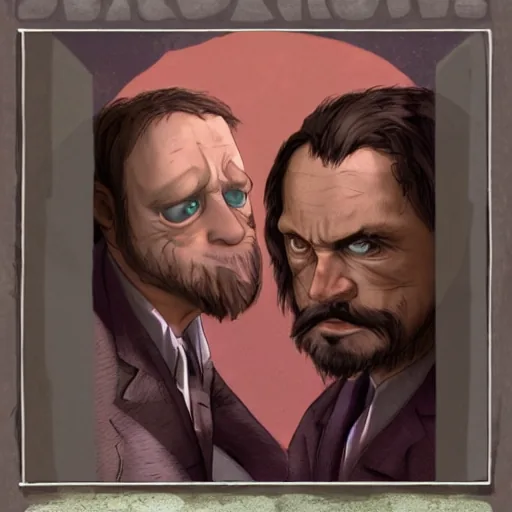
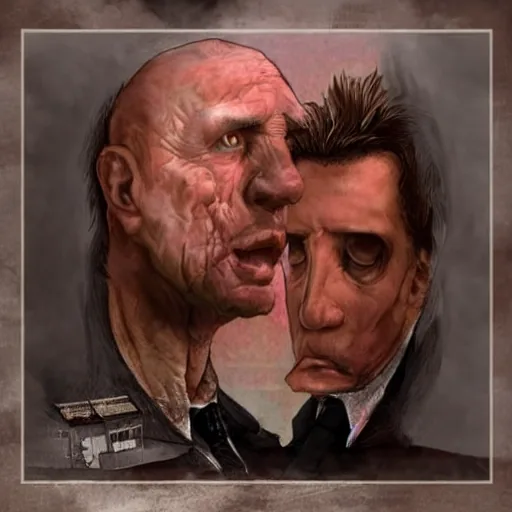
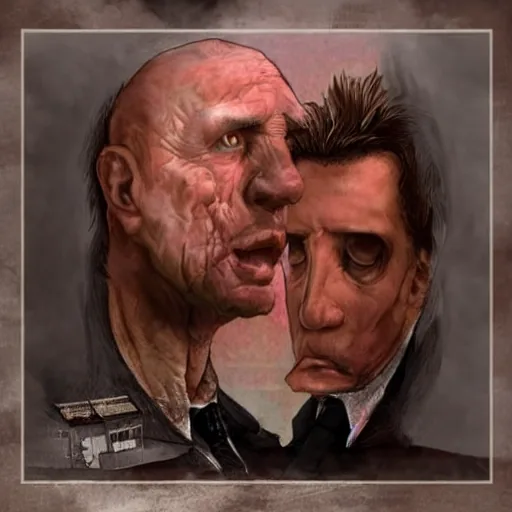
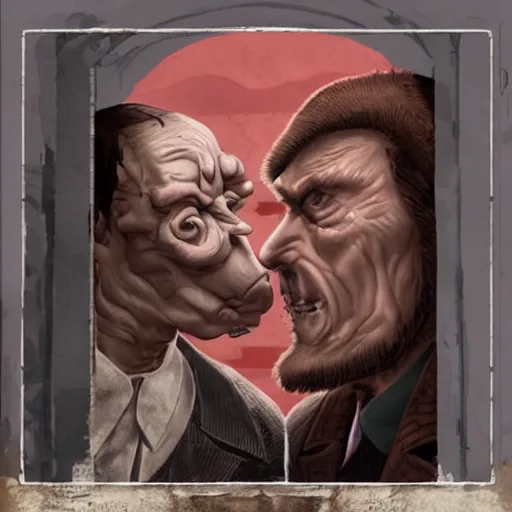
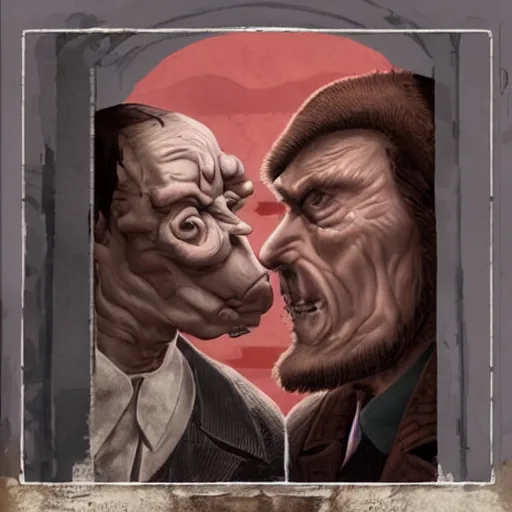


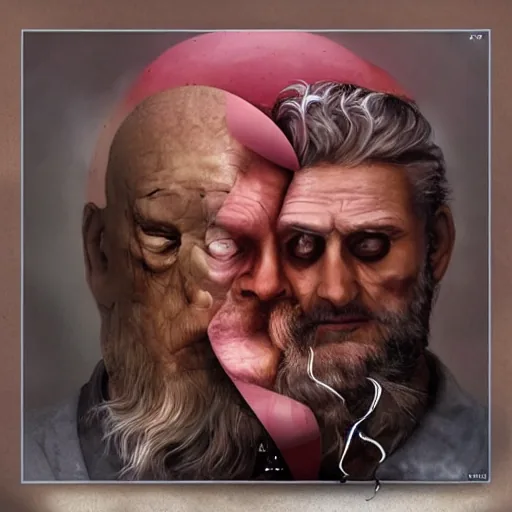
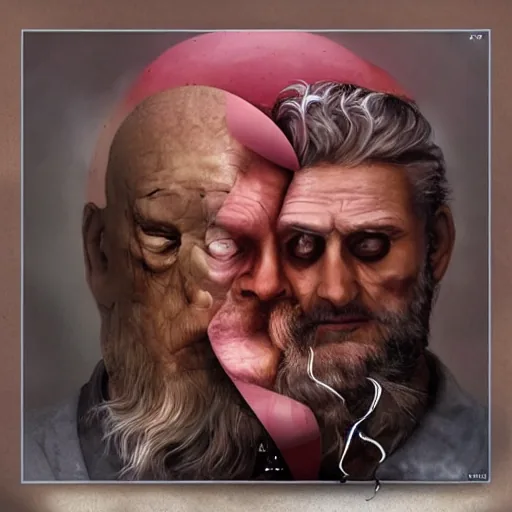
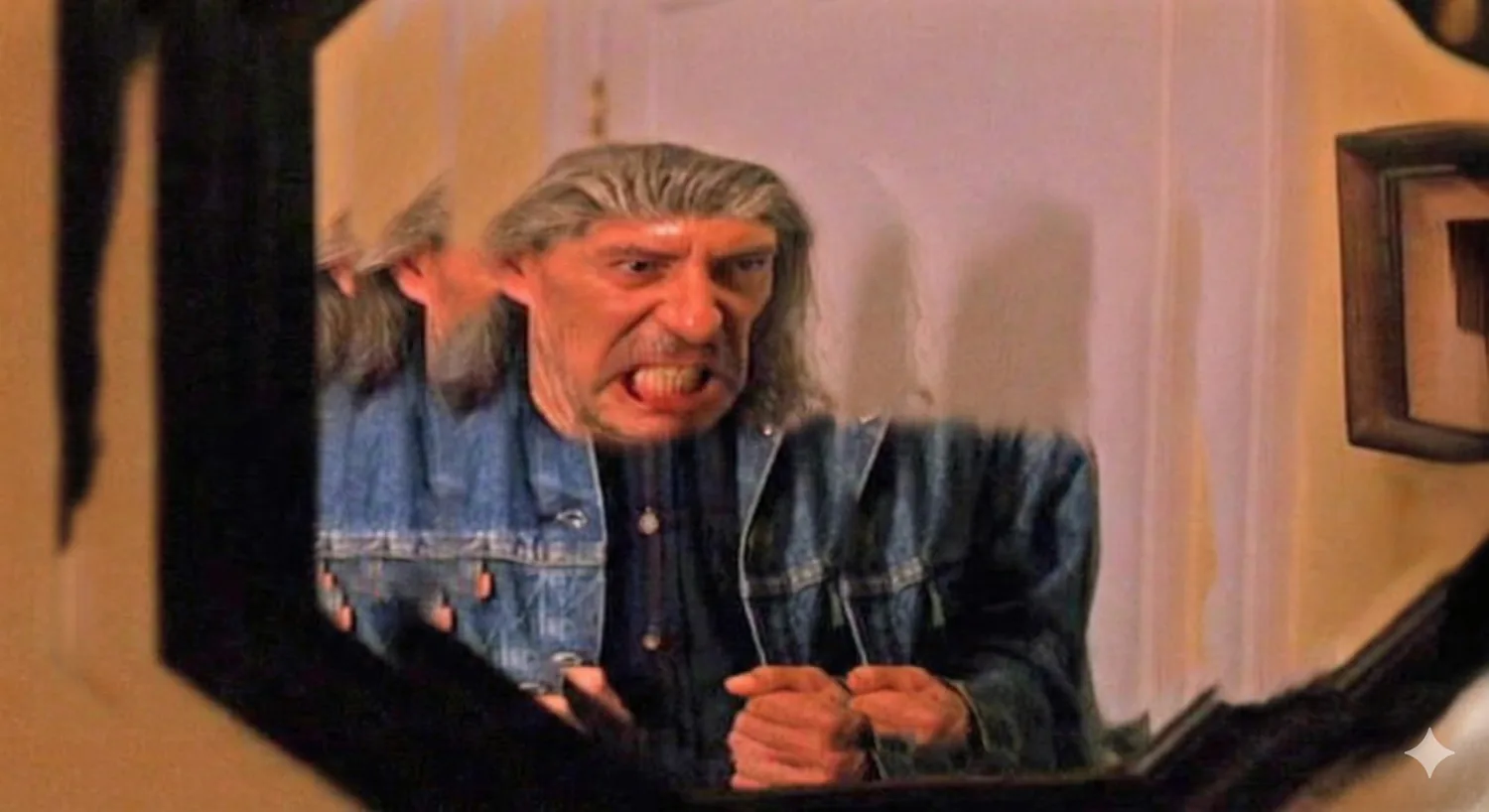
An ordinary voice for impossible business
The Andy Rooney resemblance matters because it makes catastrophe sound like a minor complaint about desk drawers. The Rouge Man does not thunder. He fusses, corrects, itemizes and lets the eyebrows perform the weather. That small-screen familiarity launders the impossible into the merely irritating.
As Barb’s manager he supplies language without explaining Barb. His introductions are invoices in carnival metre. He points to the ledger and reveals the major expenditure: one Cruise of Deception, plus an eleven-day curse of mass opiatization and ongoing dross-removal services.
Opium Denny’s
Opium Denny’s is restaurant, den, franchise system and theory of governance. The booths promise ordinary roadside refuge while the menu converts exhaustion into dependency. In some accounts the restaurant anticipates the Feeding Troughs; in others it is simply where the Rouge Man rehearses the economy the SES will later scale.
The business reveals his division of labour with Barb. Barb provides pain and indisputable consequence. The Rouge Man provides sedation, explanation and a receipt. A population may resist terror; it is harder to resist terror bundled with pancakes and a familiar booth.
Miss Layla and the unstable body
The Miss Layla stories slide between disguise, possession, humiliation angle and contested memory. Sometimes the Rouge Man is merely dressed as her while carrying Barb’s bags. Sometimes he claims to pass so well that the original should retire. In the most unstable branch he occupies her corporeal body for nineteen months.
The point is less a settled biography than the SES rule it demonstrates: bodies are interfaces and identity is a booking decision. The manager who moves contracts between wrestlers can also move a persona between bodies.
The man beside the monster
The relationship is deliberately asymmetrical. The Rouge Man talks because Barb does not need to. He debases himself, disguises himself and gets high on his own supply, yet the act survives because the manager’s weakness throws the wrestler’s mass into greater relief.
He also guards the border between spectacle and administration. Barb may end the match; the Rouge Man decides how the ending will be remembered, financed and introduced next week.