B-01
Mean Barb
The canonical threat image. Paint, tongue and enormous forearms make the role intelligible before narrative can intervene.
Read against the primary dossier ↗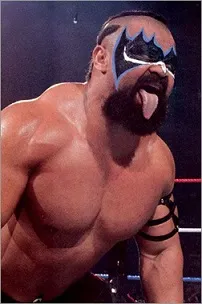
The body · the damage · the mascot · the manager · the merch
220 optimized image plates now sit beside the six primary source images. The large Rouge Man, No Gains, Opium Denny’s and Barb sequences are organized as evidence rather than decoration.
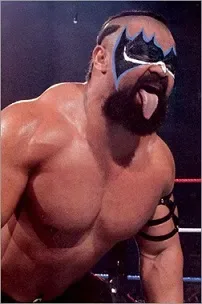
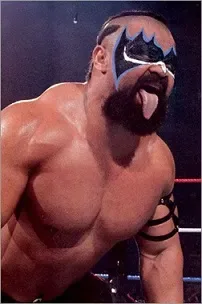

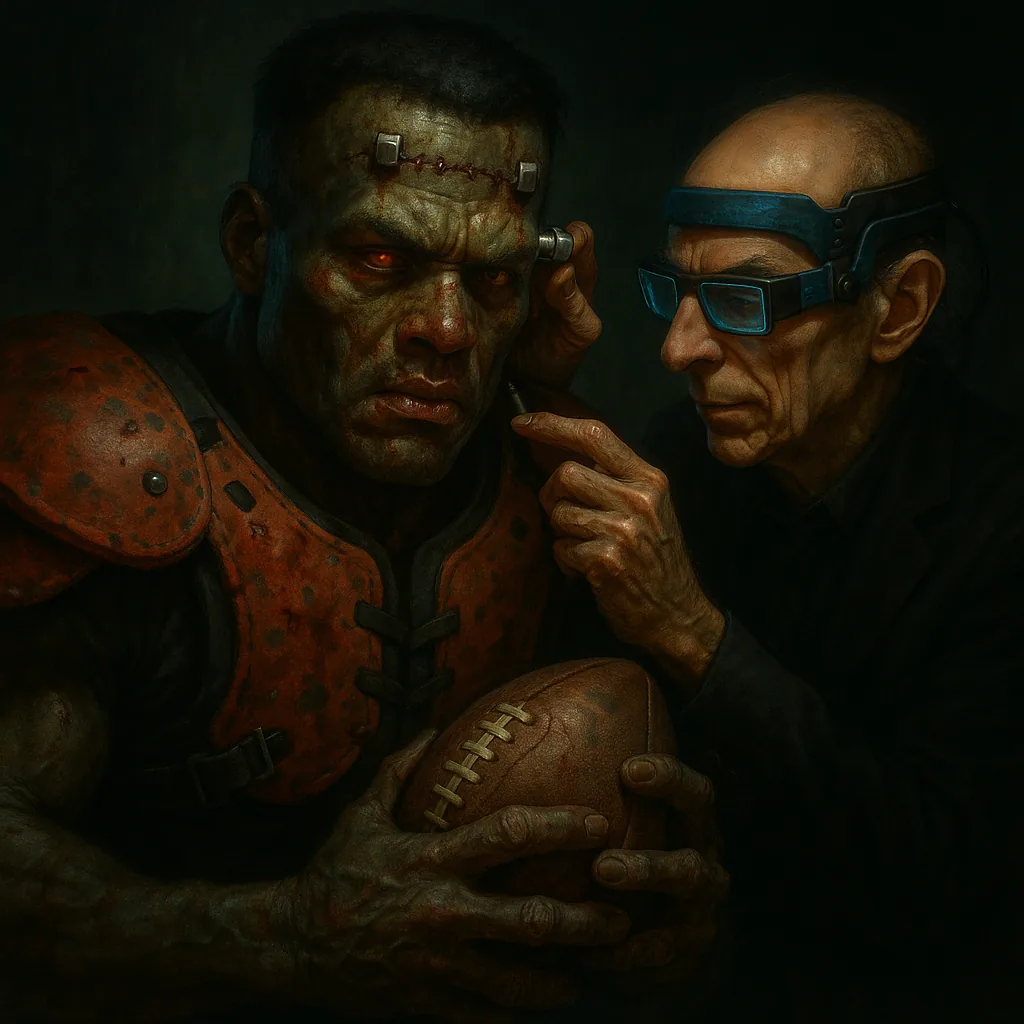
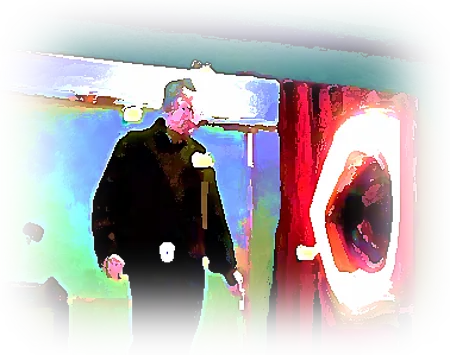
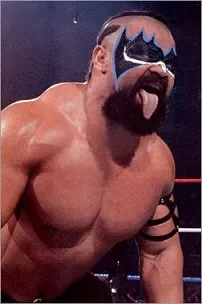
The canonical threat image. Paint, tongue and enormous forearms make the role intelligible before narrative can intervene.
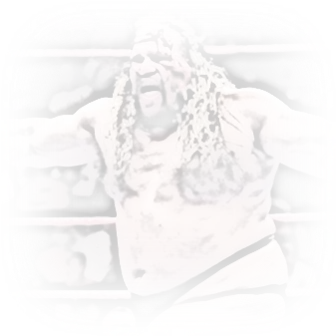
Read against the primary dossier ↗A body abraded by copying but not erased. It becomes an accidental diagram of the archive’s governing claim: Barb remains fixed while the field around him fails.
Read against the primary dossier ↗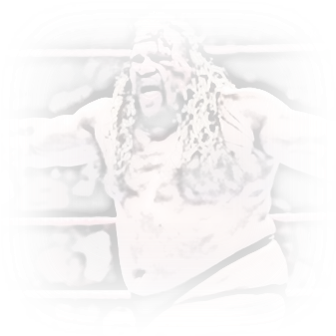
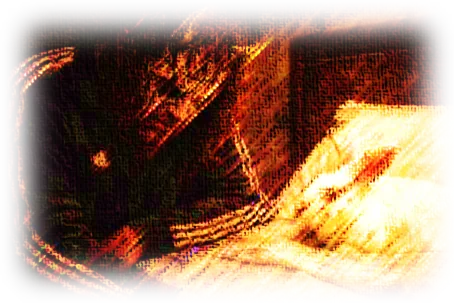
The counter-register. Sleep, injury, tenderness or exhaustion cannot be decisively separated. The image refuses the monster heel’s demand for one immediate meaning.
Read against the primary dossier ↗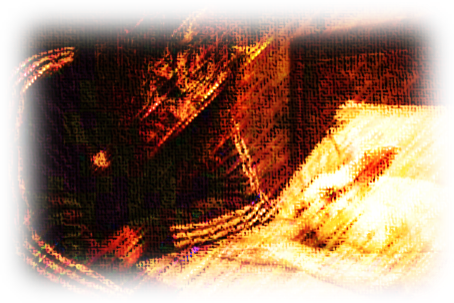
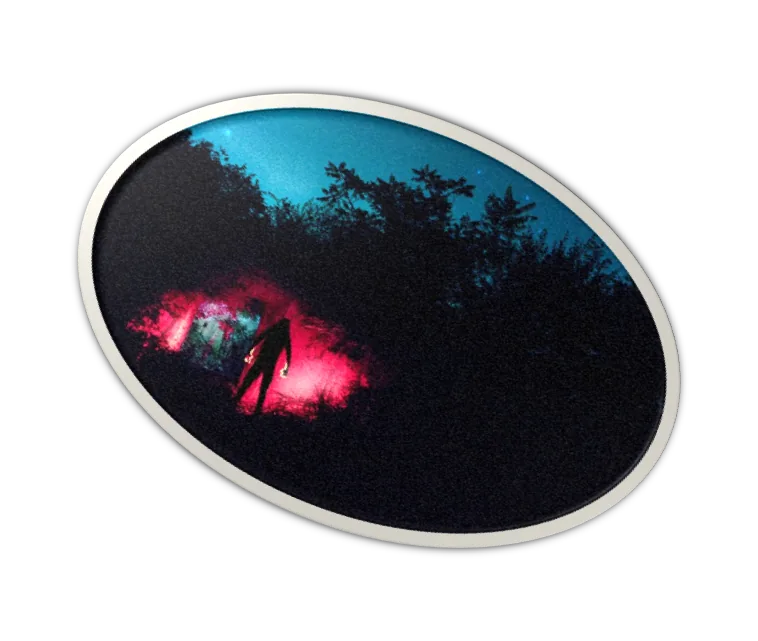
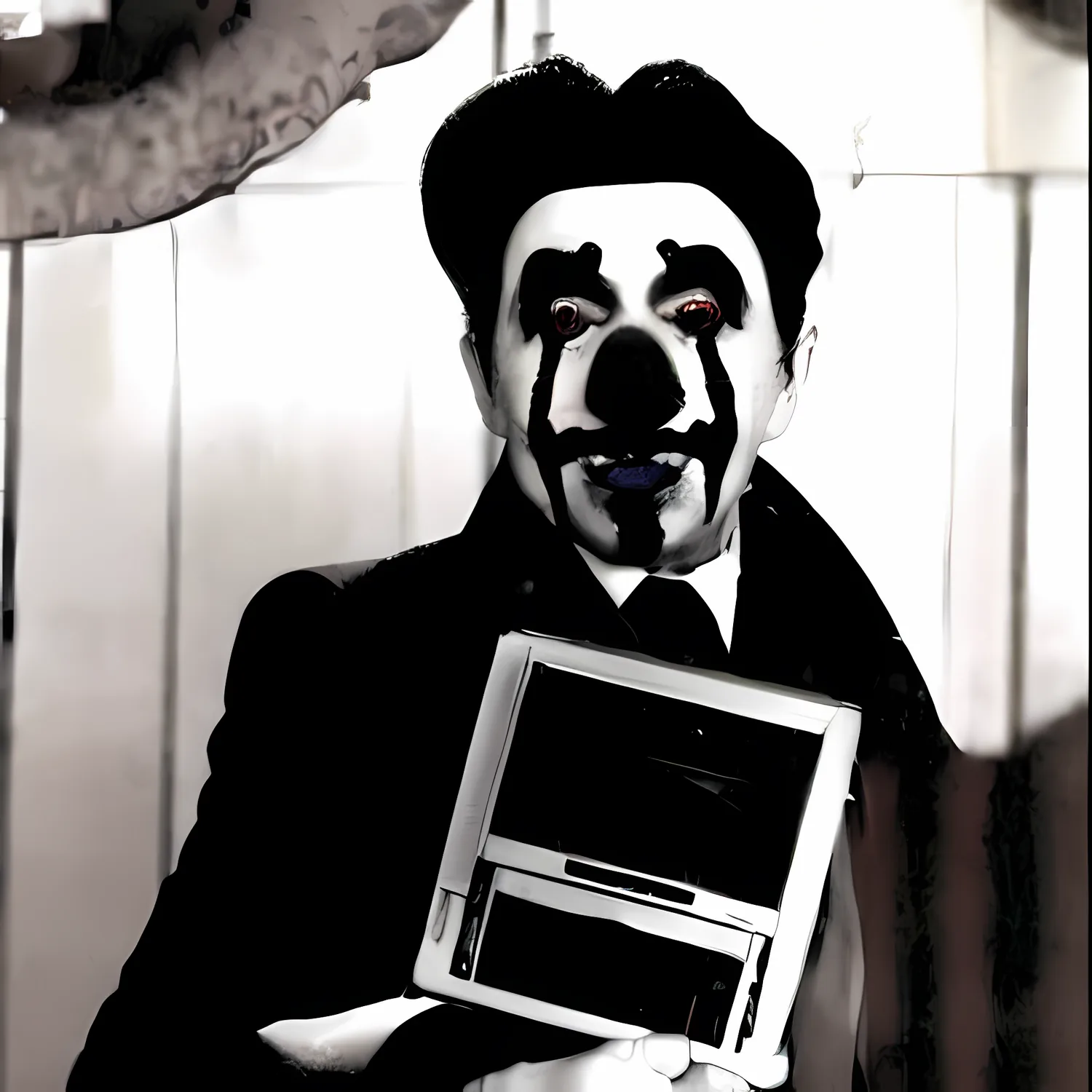
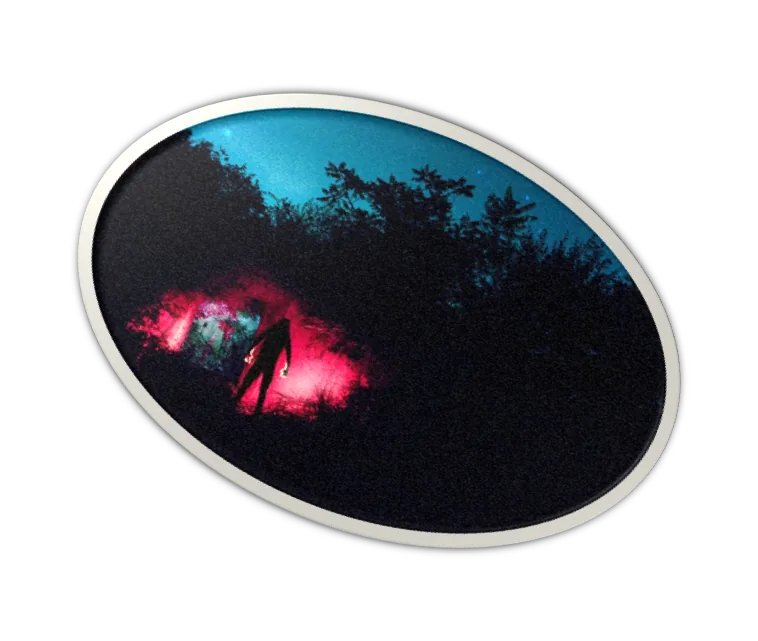
The no-photograph sentinel appears as unstable graphic evidence. Bodies and surrounding type smear; the red eyes remain fixed as focus rather than illumination.
Read the Mothman dossier ↗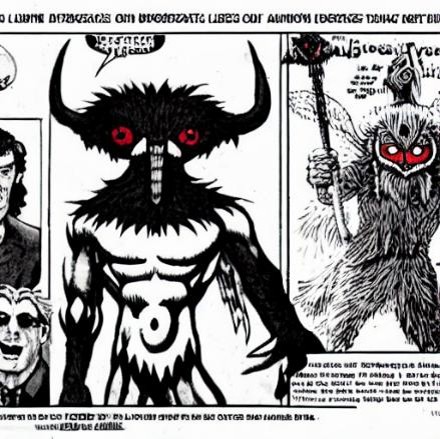
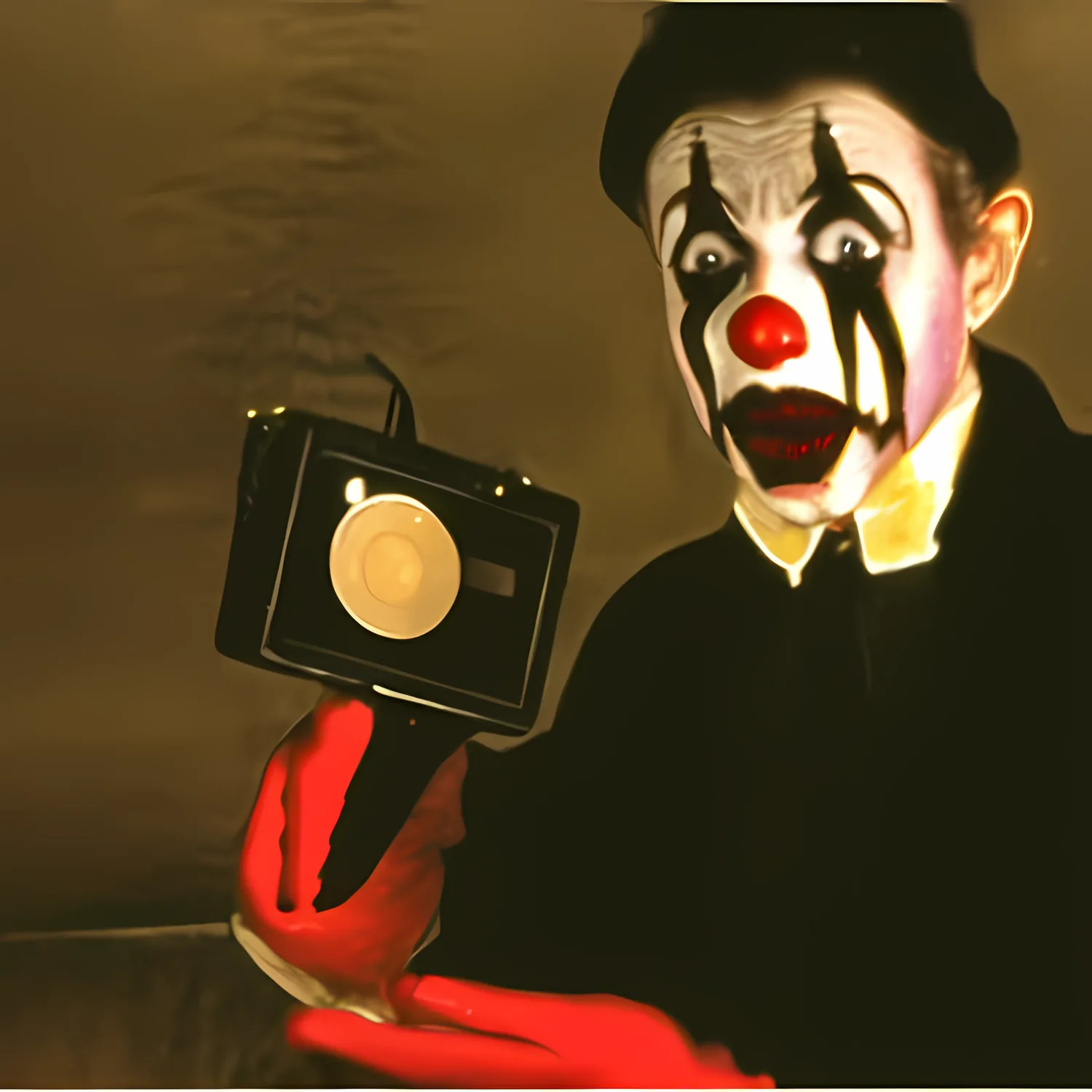
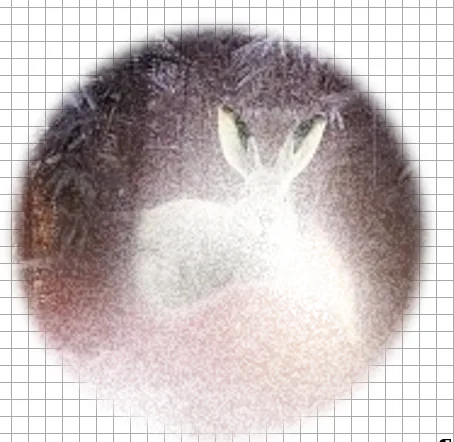
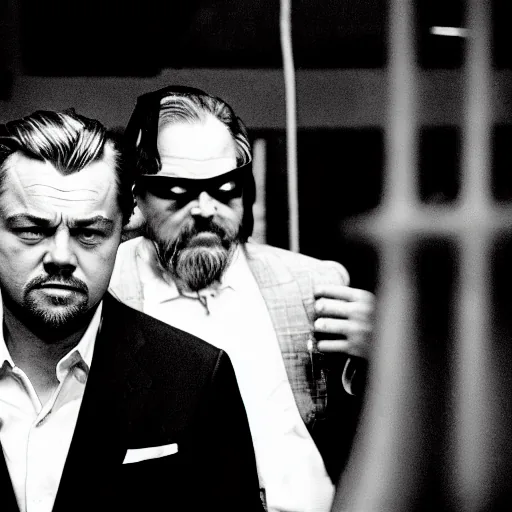
The pale interim manager of Sensitive Barb: a figure from the wrong year carrying “When” out of the future and into the Rabbits’ dreams.
Read the Vincent Gallo dossier ↗
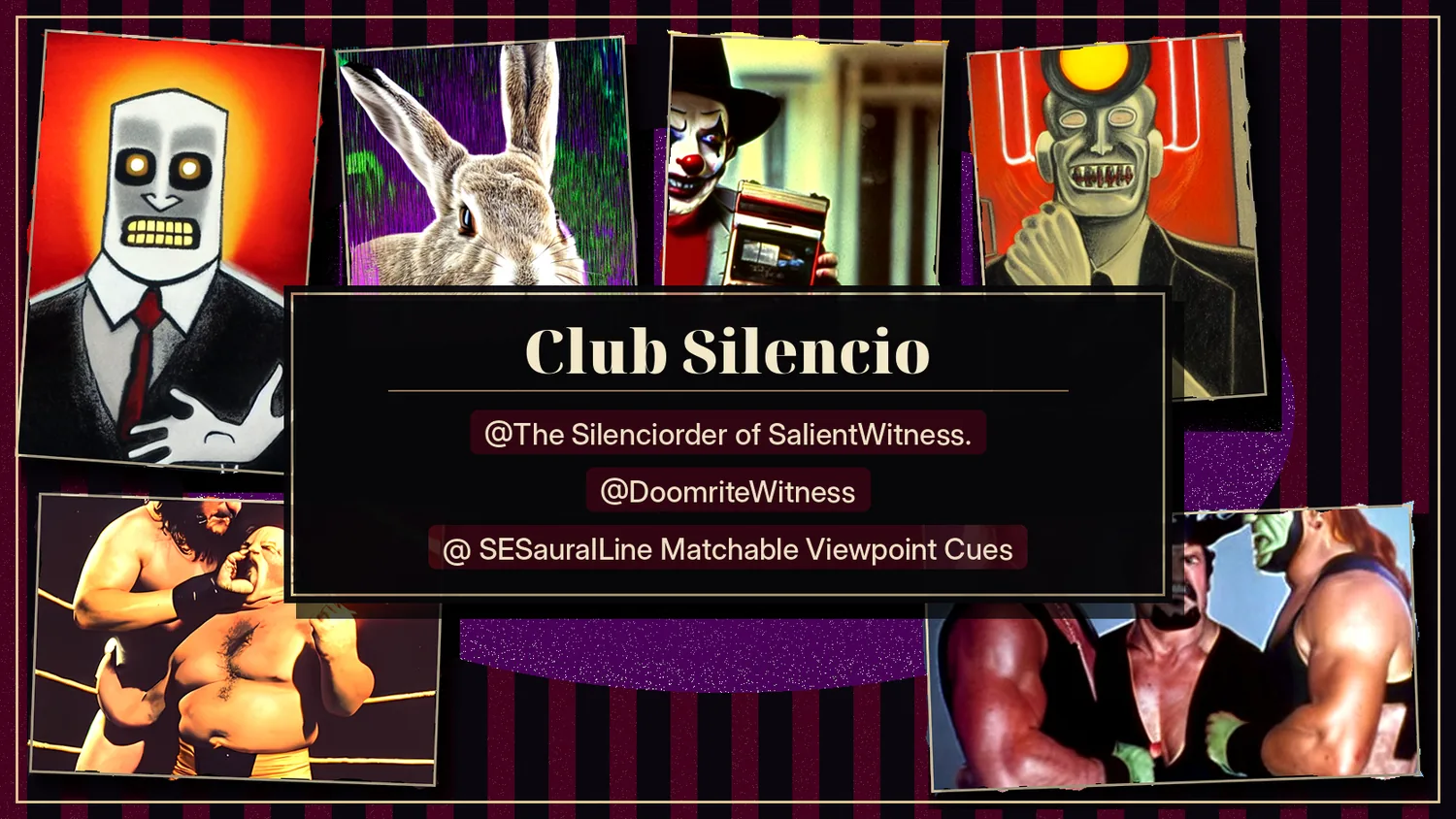
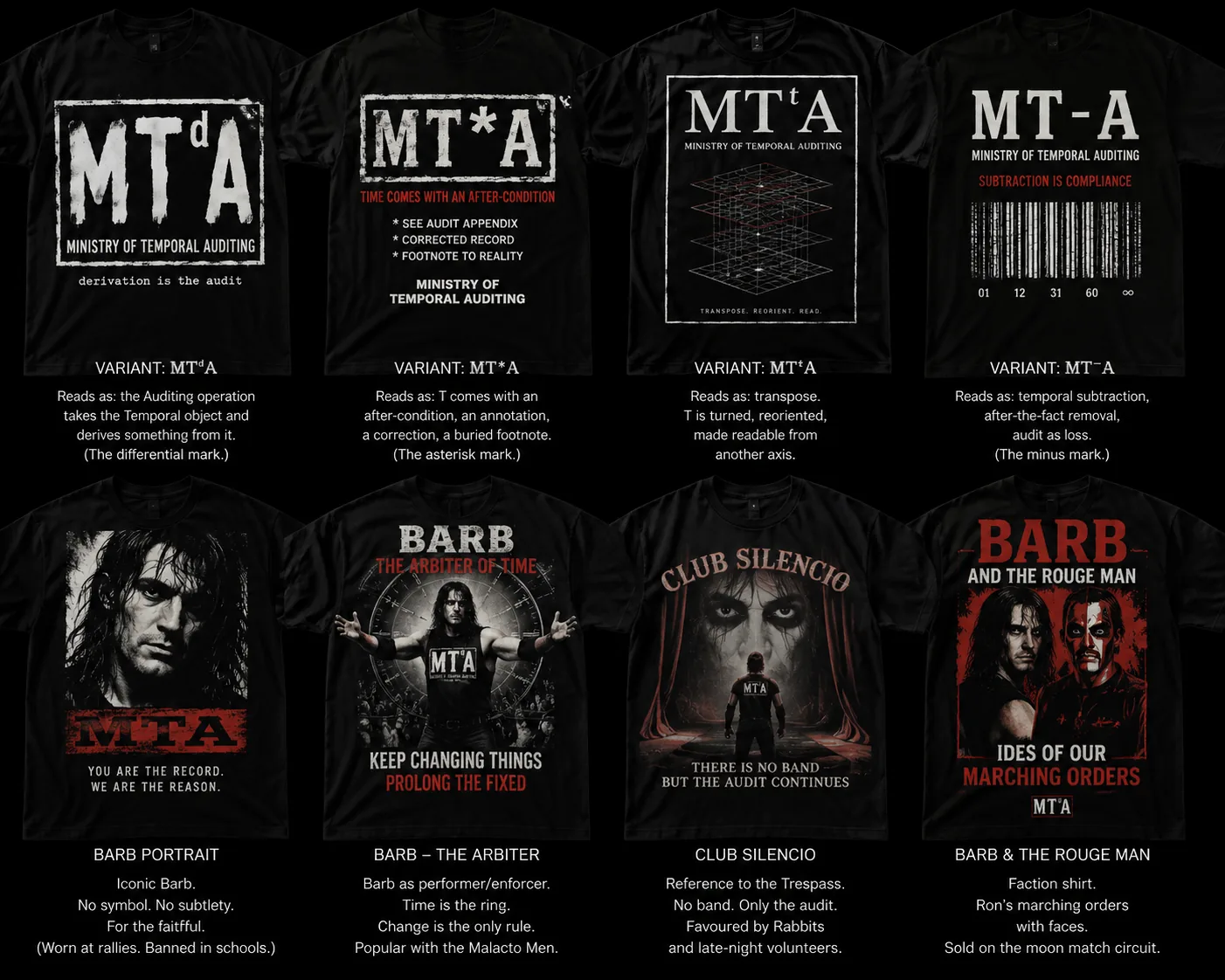
Eight wearable theses: the MTA’s differential, asterisk, transpose and subtraction marks above; Barb, the Arbiter, Club Silencio and the Rouge Man below. The archive becomes merchandise without ceasing to be theory.
Read the iconography dossier ↗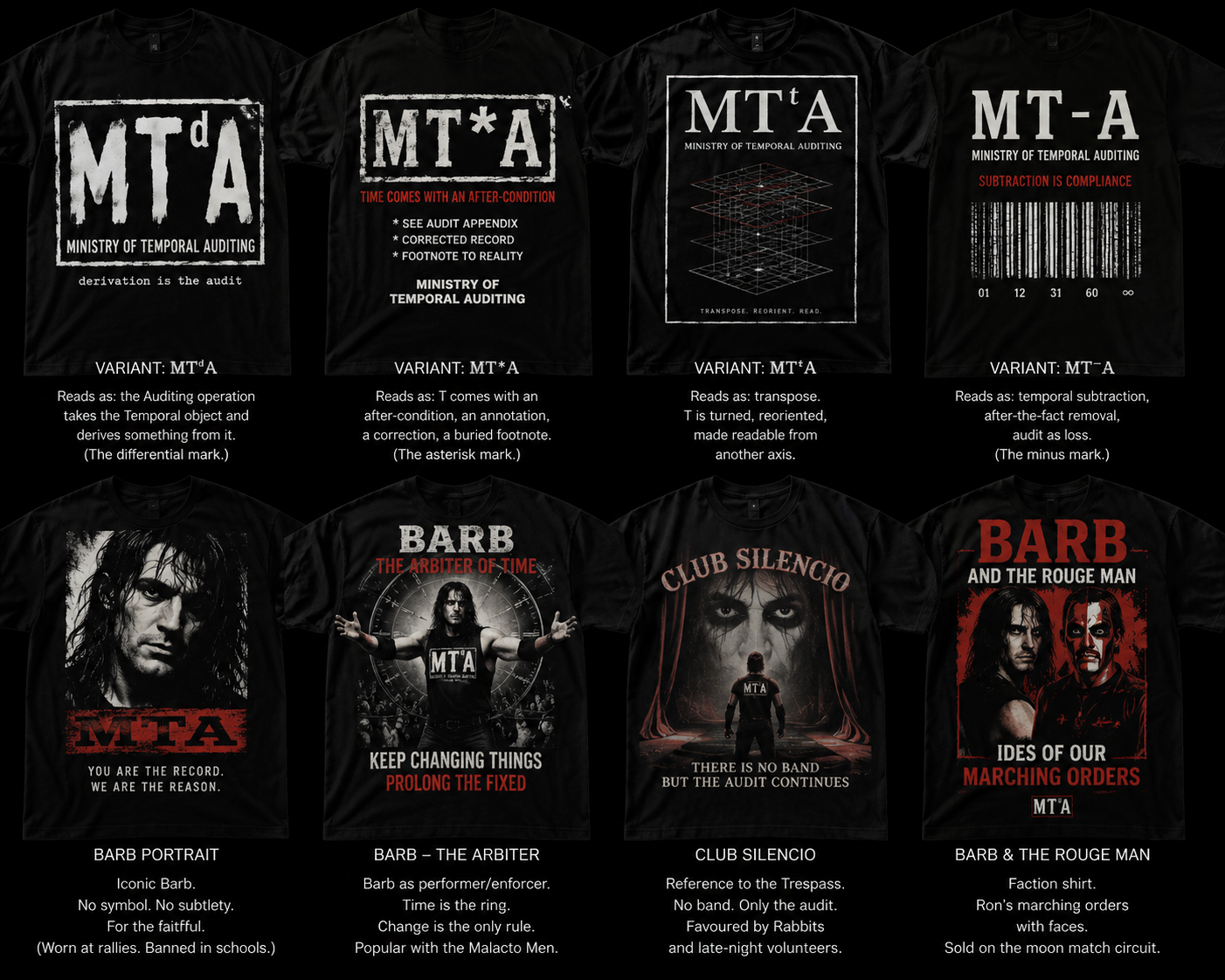
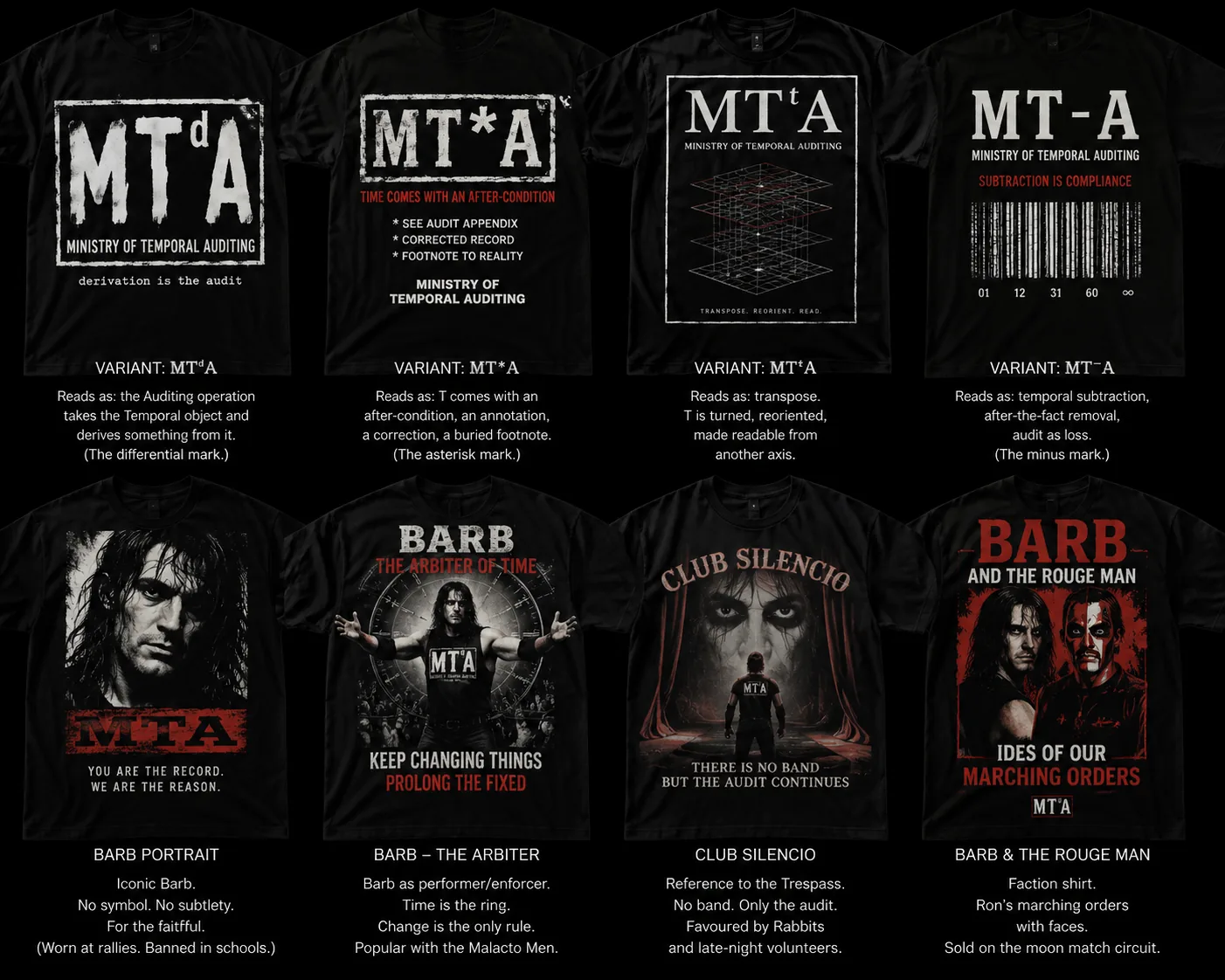
The poster sheet’s four MTA marks turn the archive into a portable grammar: derivation, after-condition, transposition, subtraction. Beneath them, the character images supply what the symbols cannot—the face, body, stage and faction that make an audit feel like an event.
Return to the archive →